The Role of Artificial Intelligence in Online Gaming
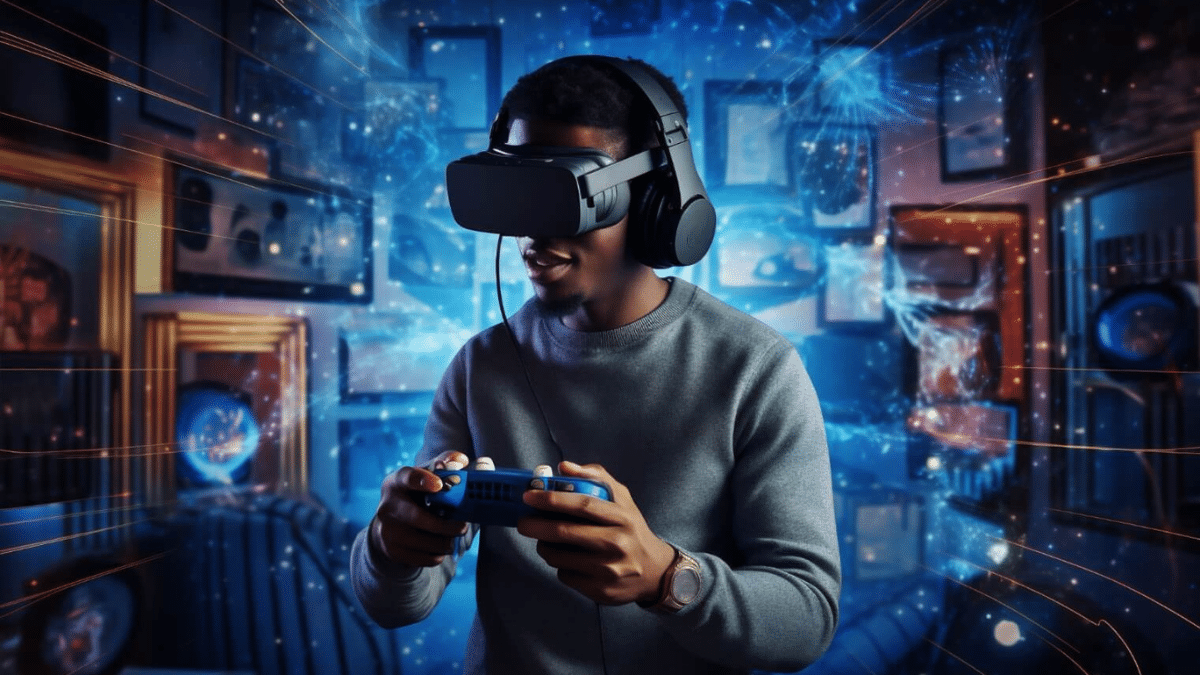
Artificial intelligence (AI) is transforming scr2u many industries, and online gaming is no exception. From enhancing gameplay to creating more immersive experiences, AI is playing a critical role in shaping the future of gaming. In this article, we’ll explore how AI is used in online gaming, from NPC behavior to content creation, and its potential impact on the industry.
1. AI in NPC Behavior and Decision Making
Non-playable characters (NPCs) have long been a staple of video games, offering players something to interact with outside of human players. In many early games, NPCs followed simple scripts, reacting predictably based on player actions. However, AI has dramatically enhanced NPC behavior, enabling them to respond intelligently to a wide range of player actions. This makes games more immersive, as NPCs seem more lifelike and unpredictable. AI-powered NPCs can now learn from the player's actions, making the gameplay experience more dynamic and engaging.
2. Procedural Content Generation with AI
AI is also playing a major role in content generation, particularly through procedural content generation (PCG). This technology uses algorithms to automatically create game environments, levels, quests, and narratives. Games like No Man's Sky use procedural generation to create vast, explorable worlds, while Minecraft and Diablo use it to generate randomized levels. AI can also create unique narratives based on player choices, providing an experience that feels different every time the game is played. This helps keep online games fresh and engaging, even after long play sessions.
3. AI in Game Testing and Quality Assurance
Game development involves extensive testing, and AI is now helping streamline this process. AI can quickly identify bugs, glitches, and issues that would take human testers much longer to discover. AI algorithms are used to simulate player behavior, stress-testing game systems, and ensuring that the game can handle various scenarios. This allows developers to catch errors early and improve the overall quality of the game, leading to smoother gameplay for players.
4. AI for Personalized Gaming Experiences
One of the most exciting applications of AI in online gaming is the creation of personalized gaming experiences. AI can track players' preferences, playstyles, and behaviors to customize in-game experiences. This could involve adjusting the difficulty level to match the player’s skill or dynamically altering in-game events to keep the player engaged. For example, AI can help power adaptive difficulty settings, where the game's challenge is constantly adjusted to match the player's abilities. This creates a more satisfying experience, ensuring that players are always presented with a challenge that is neither too difficult nor too easy.
5. The Future of AI in Online Gaming
Looking forward, AI has the potential to revolutionize online gaming even further. We may see more games with self-learning NPCs that evolve and adapt based on player interactions, creating more lifelike and unpredictable worlds. AI could also be used to enhance online matchmaking, creating more balanced and fair experiences for players. Additionally, AI-driven narrative systems could lead to games with completely personalized storylines. As AI continues to develop, its role in gaming will only grow, providing exciting new possibilities for developers and players alike.
Conclusion
Artificial intelligence is already playing a transformative role in online gaming, from enhancing NPC behavior to enabling procedural content generation. As AI technology continues to advance, it will shape the future of the industry, making games more dynamic, personalized, and immersive. The potential applications of AI in gaming are vast, and it’s clear that AI will continue to be a major driving force in the evolution of online gaming.